Get Your Story Straight
Enjoyed by teams at...





You’ve sunk weeks into working on the best idea of your career, and your hard work got you 20 minutes in front of the audience you need to buy-in.
But a few minutes in, you see heads start to drop. Eyes drift to phones: you realise they’re thinking more about lunch than listening to you. The facts just didn’t change hearts and minds.
You can't just share data and expect buy-in. It's like reading a shopping list and making the audience guess what meal you're making: it's too much work to work it out. You didn't get the story straight in your head first, and now you feel it way down in your gut.
Maybe you did what everyone does: you handed the problem to AI. It gave you back a polished deck with a confident tone, obvious structure, but not an ounce of your thinking.
Slop smells. No tool can work out what you actually think: people can tell when your thoughts aren't your own.
You are the first audience
If you're not clear and convinced, you can't expect anyone else to be. But it doesn’t need to be hard work: make clarity easy to find at Get your story straight.
Get your story straight strips business storytelling down to the essentials: less theory, more of what you need to convince others.
"Ben pulls lessons from movies, stand-up comedy, and messy real-world work. Smart, super-practical, and surprisingly fun!"

If you're presenting, pitching, or just explaining, Get Your Story Straight helps you...
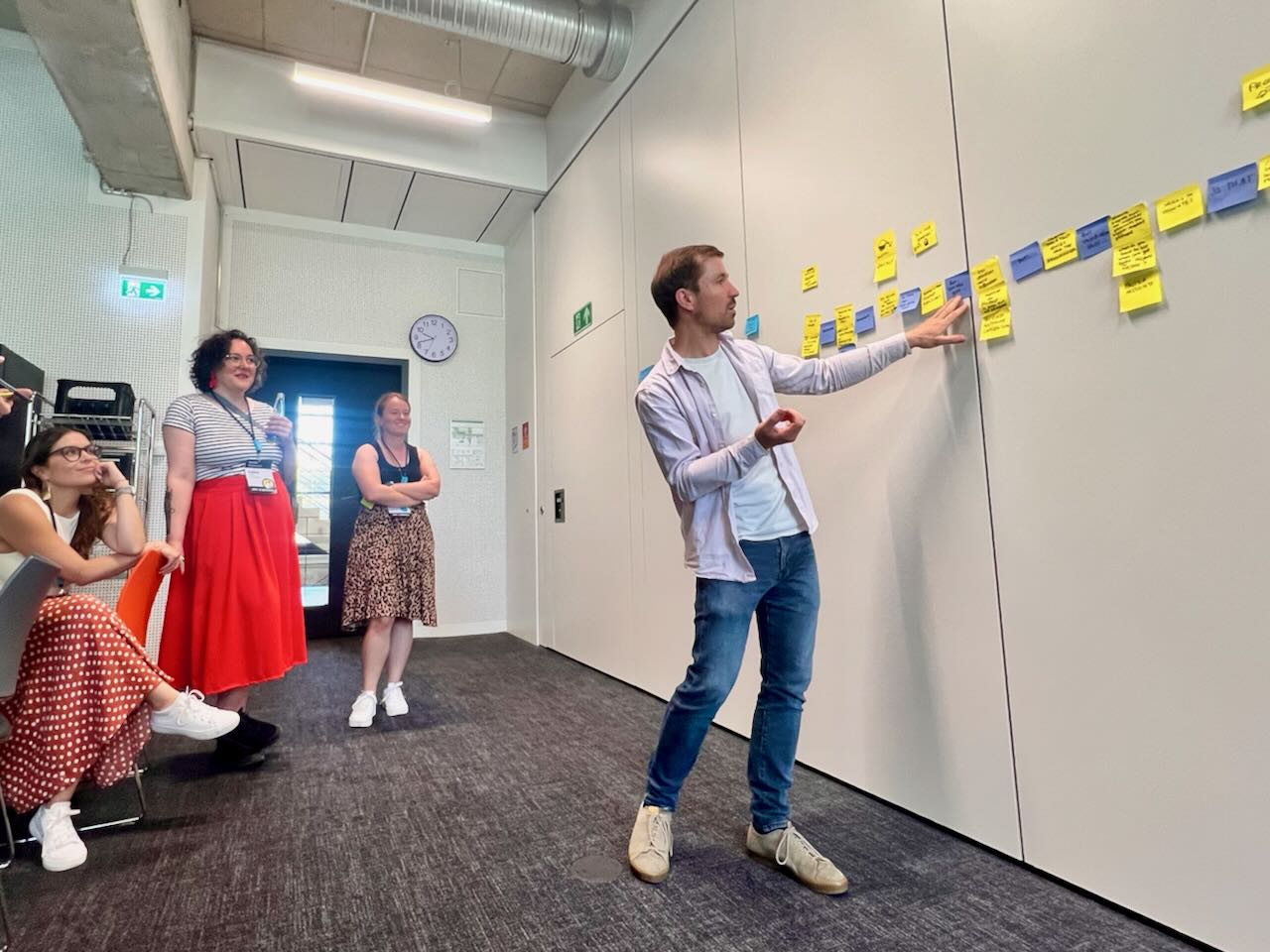
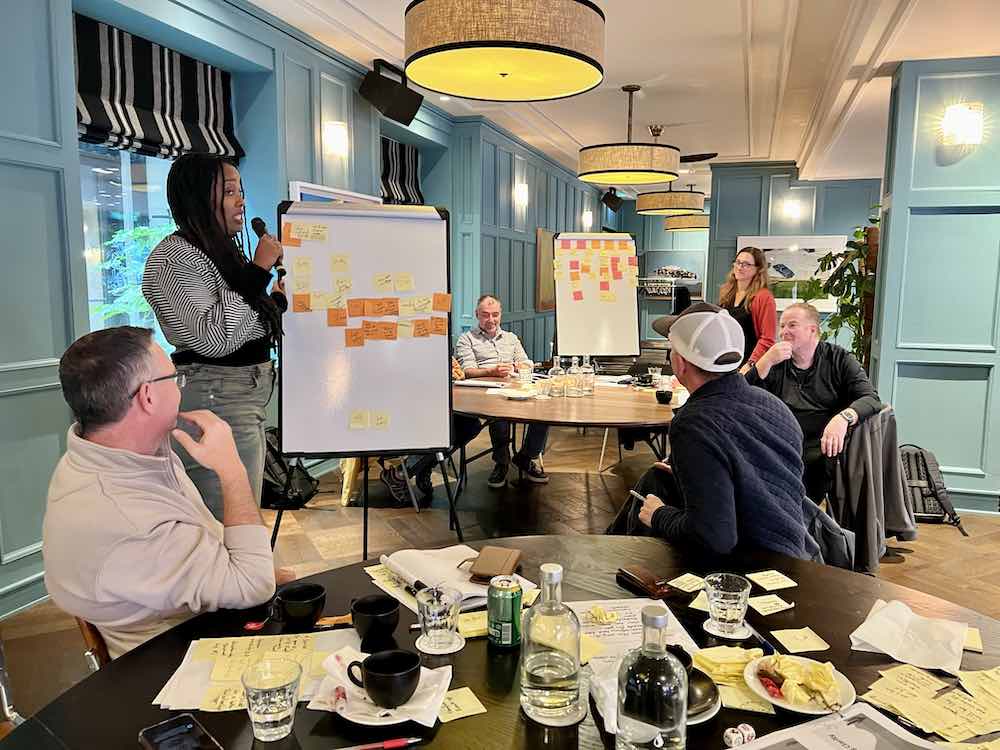
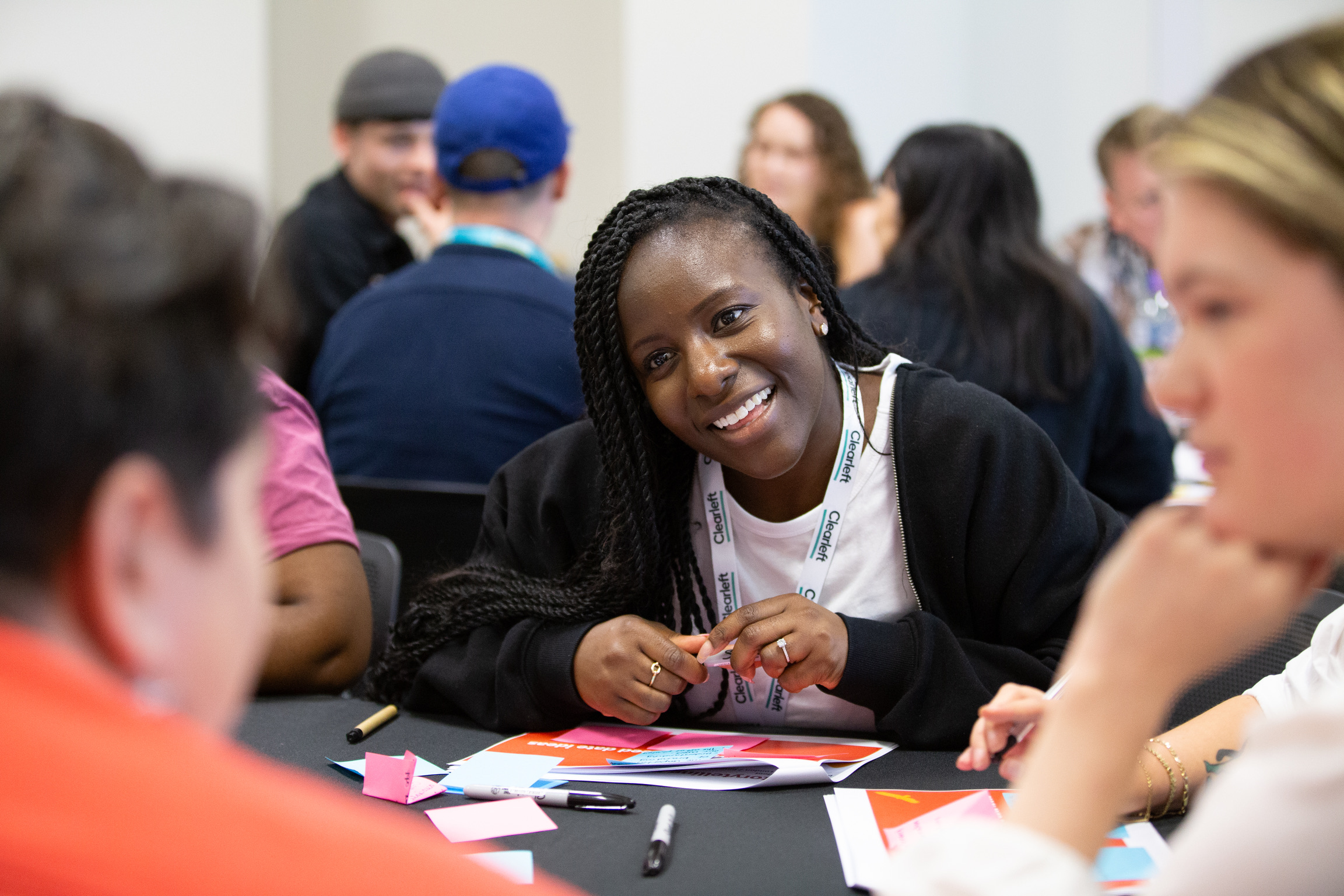

How Get Your Story Straight works
-
1. Know your audience
What do they actually care about? What will make them resist? Every story starts here.
-
2. Find the one big idea
There may be ten things you want to say. There is one thing they need to hear. You find it.
-
3. Build the story
Metaphor, stakes, standout facts, objections, second-order effects. The ingredients that make an argument stick.
-
4. Apply story-glue
Cut the waffle: use logic, not lists. A ruthless edit is the difference between a meandering presentation and a winning pitch.
This is for you if...
- You wince at the thought of selling yourself or your idea
- You're either misunderstood or ignored, despite your experience and the evidence on your side
- You need to convince someone with power over your project, career, or budget
- You're an introvert who needs to find the best way to be heard in a world full of extroverts
- The story is on the tip of your tongue, but it comes out wrong every time

What people say









You'll leave with...
- A persuasive story that you need to present at work
- The skills to use the method again and again
- A copy of Death by Screens
- Slides and handouts from the day
FAQ
Do people need to present in this workshop?
No. This workshop does not teach performance – it's about the content. What you'll learn here is format-agnostic: you can use these lessons in many mediums—film, reports, Slack, and most often when presenting. You'll be asked to share what you learned about crafting a strategic story with other participants, but you won't be asked to get up and tell one.
Can I trial this workshop for my team?
Yes. I run one-hour taster sessions remotely, to give you a sense of what you'll be learning – please get in touch.
Is the workshop remote or in-person?
Either. For teams, I run this workshop in-person in one day, or remotely over two half-days.
Which industries will this work for?
Although my experience is primarily in technology, as a consultant I've crafted great stories across agencies and consultancies, the UK government, non-profits, broadcasters, healthcare, finance, and more. The lessons are quite universal. For example, a senior manager in the NHS used these lessons so effectively that she's now presenting to the UK government.
Is this workshop just for designers or people working in tech?
No. Anyone who's sharing ideas, training others, pitching, or trying to change hearts and minds will learn something useful. If the workshop is for a particular discipline or team (e.g., leaders, consultants, product, designers, researchers), I customise parts of the day just for them.
Can you help with communication problems unique to my organisation?
Yes. In my workshops for teams, I learn about your organisation beforehand and tailor part of the day to address your unique challenges.
What's needed for the team workshop?
A space with A/V, workshop-style seating (generally for teams of three), plus pens, paper, and sticky notes. I usually bring whatever else is needed.
Do participants need to bring anything?
Generally no, but there are some very short prep tasks that participants can do before the workshop to be extra ready on the day.